Womp, womp, womp! The heavy-fisted pounding on the kitchen door of their host’s home was unmistakable. Eight-year-old Hannah and her mother had been silent for some time, almost holding their breath as they heard Nazi soldiers outside rounding people up. Now, they were at the door.
Hannah and her mother were in the forced labor camp at Adampol, Poland. At night, they usually slept at the crowded camp, but by day they worked on the farm of someone Hannah only knew as The Old Man. Her grandfather had given the man whatever he could before the Nazis came, asking him to take care of his family if they were ever sent to Adampol.
The Old Man was keeping his promise as best he could, and the night before, because Hannah was very sick, she and her mother had been granted the favor of sleeping on the floor of the farmhouse kitchen. In the night, they had a visitor at the window. Hannah’s father, who had escaped capture and joined the resistance, was sent to warn the Adampol prisoners that “death squads” were headed their way.
Hannah and her mother lay awake for the rest of the night. In the morning, they heard the first sounds that the brutal outfit had arrived. Then came the pounding on the door.
Hannah’s mother calmly knelt and faced her daughter. She hugged her tightly and kissed her. Then, slowly, she went to the door. She stepped outside and closed it behind her.
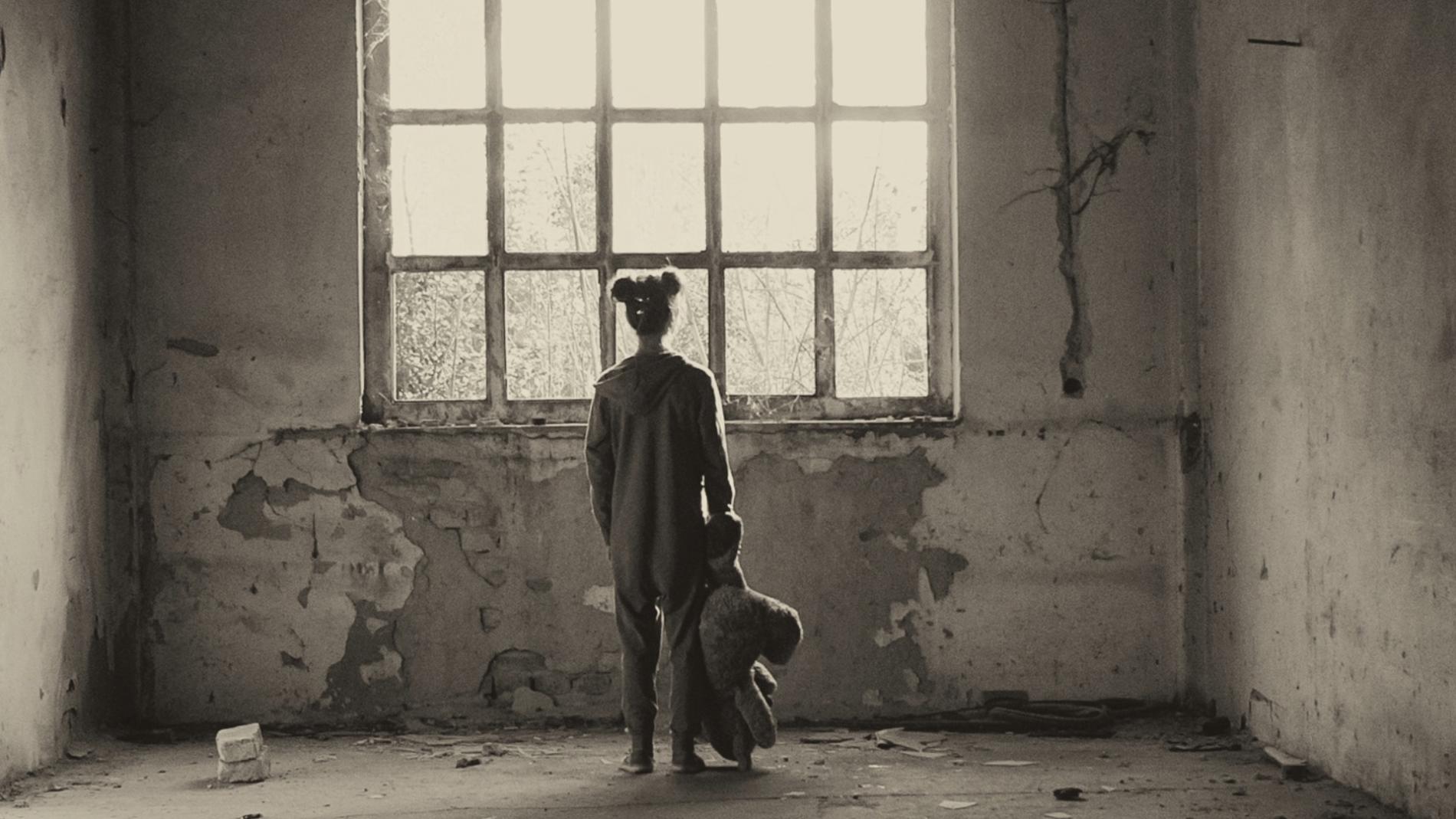
Hannah stayed on the straw mattress and waited. But when her mother didn’t come back, she went outside and saw that the soldiers had lined many people up by the farm’s well.
Standing on the steps, Hannah couldn’t understand why her mother wouldn’t look at her. She decided she should go down and take her hand. Just then, she heard an order shouted, and then shooting. “I saw her fall… and I saw the blood on the snow,” Hannah recalled in an interview with Britain’s Sky News.
At eight years old, Hannah Lewis witnessed her mother’s murder. “I knew I could not scream or do anything,” Hannah said. “So, I went back and put myself back on that pallet, and somehow, I survived the war.”
“We weren’t actually liberated,” she explained. “We were just left alone. Nobody knew what was happening, and nobody came for me… And then, one day, my father appeared….So, another part of our life started.”
Scenes like Hannah witnessed, and worse, took place all across Europe during Hitler’s regime. Before its despicable “solution” to “the Jewish problem” was brought to a stop, the Third Reich had murdered nearly six million Jewish people, along with millions of others it deemed deplorable.
Such is the face of shameless, runaway antisemitism. The international outcry in response to the Holocaust for nearly 80 years now has been “Never again!” Yet today, we are seeing virulent antisemitism accelerating at a shocking pace. Formerly quiet antisemites have come out in the open. Many are now boldly taking a stage, shouting their stereotypes, lies, and hatred before a growing number of willing listeners. Others are taking to the streets to assault random Jewish passersby … or hurl abuses or throw punches at Jewish college students … or scrawl Nazi symbols on Jewish walls. What kind of society lets this type of hate run amok?
We can’t let it gain any more traction. As International Holocaust Remembrance Day approaches on January 27, let’s seize every opportunity we can to speak out against antisemitism.
Would you be so bold as to bring it up in conversations? Hey, did you know that January 27th is International Holocaust Remembrance Day? With the way antisemitism is raging all around the world, it sure seems like we’re on track for it to keep growing worse - unless we speak out against it. We have to do everything we can to communicate such wholesale hatred is not acceptable – don’t you think?
That’s just one way to bring up the serious state of today’s growing antisemitism. For resources to help you engage in the conversation, visit the Love Your Jewish Neighbor website.